Throughput Efficiency
Evaluation of packet processing speeds across Wi-Fi 6/6E spectrums. Minimizing latency overhead in high-density urban residential deployments.
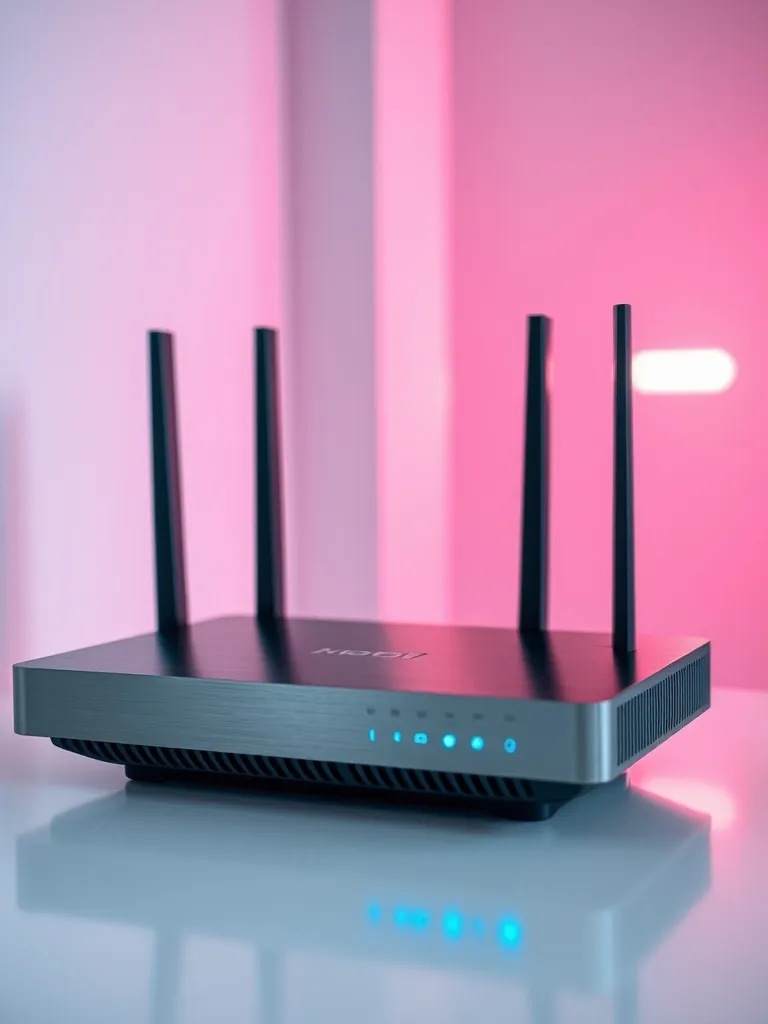
Technical evaluation of customer-premises equipment (CPE) for Canadian telecommunications networks. Analysis of hardware efficiency and lifecycle optimization.
Evaluation of packet processing speeds across Wi-Fi 6/6E spectrums. Minimizing latency overhead in high-density urban residential deployments.
Standardized testing for 5GHz and 6GHz attenuation through common Canadian building materials like reinforced concrete and timber frames.
Assessment of thermal management systems and capacitor durability. Aiming for a 5-year minimum operational cycle without performance degradation.
Terminal equipment represents the final link in the data delivery chain. In Canada, the efficiency of this hardware directly impacts monthly operational costs. Many consumers utilize outdated CPE provided by major ISPs. This often results in "rental fatigue," where the cost of the device exceeds its market value within 18 months. Modernizing this infrastructure is essential for fiscal optimization.
The transition to DOCSIS 3.1 and XGS-PON standards requires specialized hardware. Our research indicates that third-party certified routers can reduce signal jitter by up to 22%. This stability allows for lower-tier plans to perform like premium equivalents. Hardware efficiency is not merely about speed. It is about the consistency of the data stream under peak load conditions.
"Optimizing the gateway is the most cost-effective method to enhance domestic digital throughput without increasing recurring service fees."
We categorize hardware into three distinct tiers based on the Broadband Infrastructure Guide. Tier 1 includes enterprise-grade mesh systems. Tier 2 consists of high-performance standalone gateways. Tier 3 covers standard ISP-issued units. Moving from Tier 3 to Tier 2 typically yields a return on investment within 14 months of eliminated rental fees.
Initial Assessment
Evaluating current hardware age and protocol compatibility with local node standards.
Procuring certified refurbished equipment to reduce capital expenditure by 40%.
Updating to stable, non-proprietary firmware to ensure security and administrative control.
Final configuration and verification of the Mobile Service Classification sync.
Energy consumption in terminal equipment is often overlooked. A standard gateway consumes between 10W and 25W. Over a five-year period, inefficient hardware can add significant indirect costs. High-efficiency units utilize "Green Ethernet" standards to power down inactive ports. This reduces thermal stress on internal components.
| Device Category | Avg. Consumption | Annual Cost (Est.) |
|---|---|---|
| Legacy Docsis 3.0 | 22.4 Watts | $28.50 CAD |
| Modern WiFi 6 Gateway | 14.1 Watts | $18.00 CAD |
| Energy Star Certified | 8.5 Watts | $10.80 CAD |
Data source: Internal laboratory testing based on average Ontario electricity rates. Figures are subject to regional variance.
Access the full technical specifications for Canadian-certified terminal equipment.