BYOD Protocols
Bring Your Own Device (BYOD) models eliminate hardware subsidies, reducing monthly service fees by 20-30%. This requires terminal equipment to meet local frequency band standards.
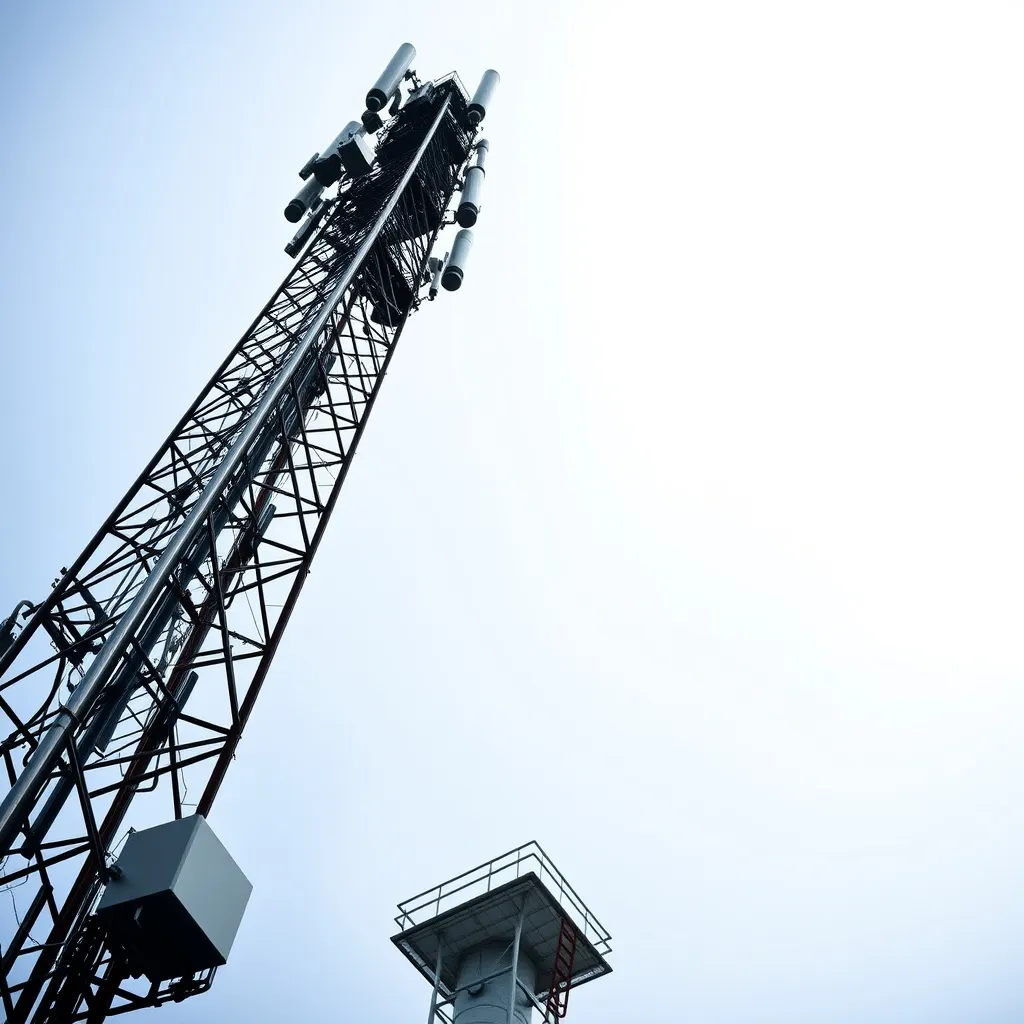
Technical analysis of the Canadian telecommunications landscape. Structural breakdown of network tiers and service delivery protocols.
Primary Network Owners
Subsidiary MVNO Brands
Urban Population Coverage
The Canadian market operates on a three-tier system. Tier 1 consists of National Facilities-Based Providers who own the physical spectrum and hardware. These entities prioritize high-bandwidth 5G deployment and integrated service bundles.
Tier 2 and Tier 3 providers, often referred to as flanker brands or Mobile Virtual Network Operators (MVNO), utilize the same physical towers. They offer reduced rates by limiting 5G access or customer support channels. Refer to the Broadband Infrastructure Guide for data on backhaul connectivity.
Bring Your Own Device (BYOD) models eliminate hardware subsidies, reducing monthly service fees by 20-30%. This requires terminal equipment to meet local frequency band standards.
Fixed-term agreements often mask high equipment costs within service fees. Decoupling hardware from the service plan is a primary strategy for cost optimization.
Roaming is governed by inter-carrier agreements. Domestic roaming occurs in "Zone B" areas where primary signal is unavailable. International roaming utilizes SS7 or Diameter signaling protocols to authenticate users on foreign networks.
Users can mitigate costs via eSIM technology or regional specific plans. Technical definitions of these terms are available in our Telecom Technical Glossary.