© 2026 Taraexver. All rights reserved.
Technical Manual 04-B
Broadband Infrastructure Guide.
A comprehensive analysis of Canadian telecommunications architecture, focusing on data transmission standards, hardware economics, and cost-efficiency protocols for residential and commercial connections.
Frequently Asked Technical Questions
What defines 'Broadband' in the Canadian regulatory context?
The CRTC (Canadian Radio-television and Telecommunications Commission) sets the universal service objective at 50 Mbps download and 10 Mbps upload speeds. This is considered the baseline for modern digital participation. Infrastructure failing to meet these parameters is classified as sub-standard for multi-user households. Understanding these benchmarks is essential when reviewing Mobile Service Classification standards.
How does 'Last Mile' infrastructure affect monthly billing?
The 'Last Mile' refers to the final leg of the telecommunication network delivering services to retail end-users. In Canada, the maintenance of this legacy or modern infrastructure is often baked into service fees. Transitioning to independent providers who lease these lines can result in a 30-40% reduction in monthly overhead. Detailed strategies for these transitions are covered in our Contract Negotiation Protocols.
Infrastructure Advantages
The selection of physical transmission medium dictates the theoretical maximum throughput and latency stability. We categorize these into two primary architectural types utilized across Canadian provinces.
- 01. FTTP (Fiber to the Premises)
Direct glass-strand connection. Offers symmetrical upload and download speeds. Minimum signal degradation over distance. Ideal for heavy Digital Content Distribution.
- 02. DOCSIS 3.1 (Cable)
Coaxial cable infrastructure. Highly available in urban centers. Asymmetrical speeds (slower upload). Generally more cost-effective for standard residential use.

Fig 1.1: Optical Distribution Network Node
Bandwidth Calculation Formula
To optimize costs, one must calculate the actual required throughput rather than over-provisioning. Over-provisioning accounts for approximately $300 in annual wasted expenditure per Canadian household.
"The efficiency of a network is not measured by its peak capacity, but by its utilization rate relative to the cost of the hardware."
— Technical Standards Board- Total Capacity (Tc)
- The aggregate sum of all concurrent streams. For 4K video, allocate 25 Mbps per instance. For VoIP, allocate 0.5 Mbps.
- Overhead Factor (Of)
- A multiplier typically set at 1.25 to account for network protocol overhead and signal fluctuation.
- The Formula
- Required Bandwidth = (Σ Concurrent Streams) × 1.25
Regional ISP Comparison: Central Canada
| Provider Type | Avg. Monthly Cost | Protocol | Reliability Score |
|---|---|---|---|
| Incumbent (Tier 1) | $95 - $120 | Fiber/GPON | 99.9% |
| Wholesale (TPIA) | $55 - $75 | Cable/DSL | 98.5% |
| Satellite (LEO) | $140+ | RF/Starlink | 95.0% |
Hardware Ownership Economics
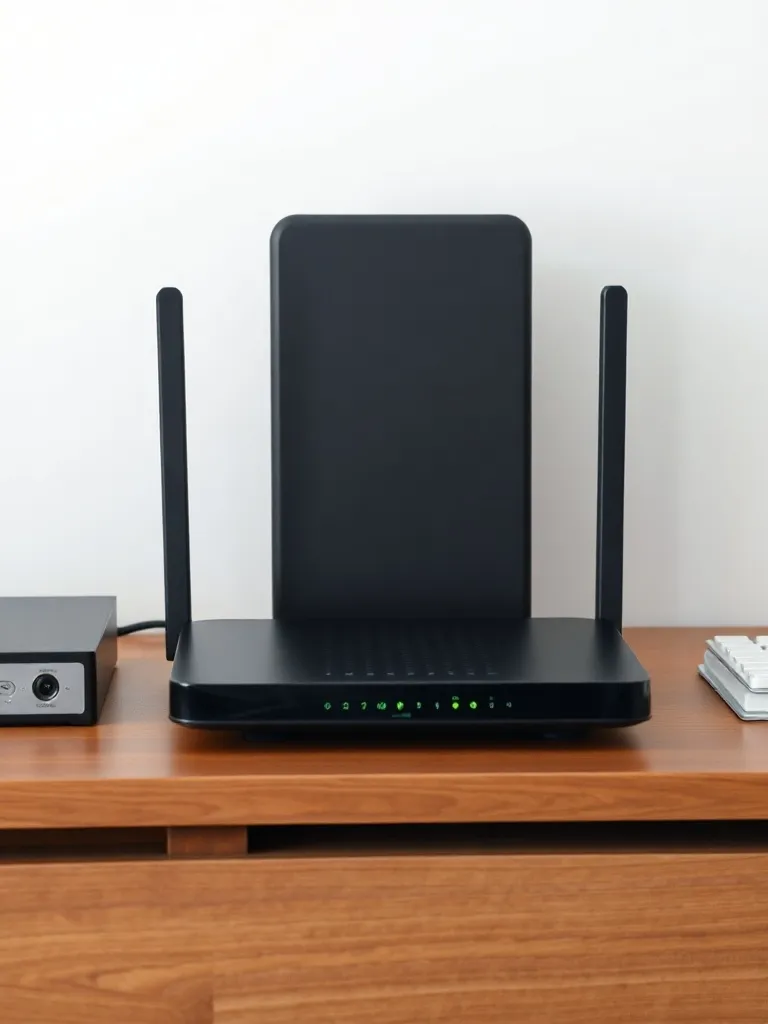
Most Canadian ISPs default to a hardware rental model, charging between $10 and $15 per month for a modem/router combo unit. Over a standard 24-month service period, this results in a $360 expenditure for equipment with a market value of approximately $120.
By purchasing "Certified Refurbished" or new DOCSIS 3.1 modems, consumers can achieve a Return on Investment (ROI) within 8 to 12 months. This technical shift is a cornerstone of Terminal Equipment Standards.
Avoidance of "hidden" rental fee increases.
Superior Wi-Fi 6 coverage via independent routers.
Enhanced security through firmware control.
$240+
Potential 2-Year Savings
Ready to Audit Your Infrastructure?
Consult our technical glossary to understand the specific terminology used by Canadian service providers during the billing phase.
Regulatory Disclosure & Independence
Taraexver operates as an independent technical reference resource and documentation project. This platform is not affiliated with, endorsed by, or partnered with any Canadian government agencies, municipal organizations, commercial internet service providers, or hardware manufacturers. All data provided is for informational purposes based on infrastructure analysis and market research.